Bifold Doors vs. Sliding Doors: Which Works Best for Your Home?
When confronted with the choice between bifold doors and sliding doors, homeowners must consider numerous factors that affect their decision. Each option provides unique advantages and challenges, particularly regarding space efficiency, aesthetic appeal, and functionality. Comprehending these differences is essential for making an informed choice that aligns with personal preferences and lifestyle needs. As one reviews these door types, the implications for ambiance and practicality become increasingly evident.
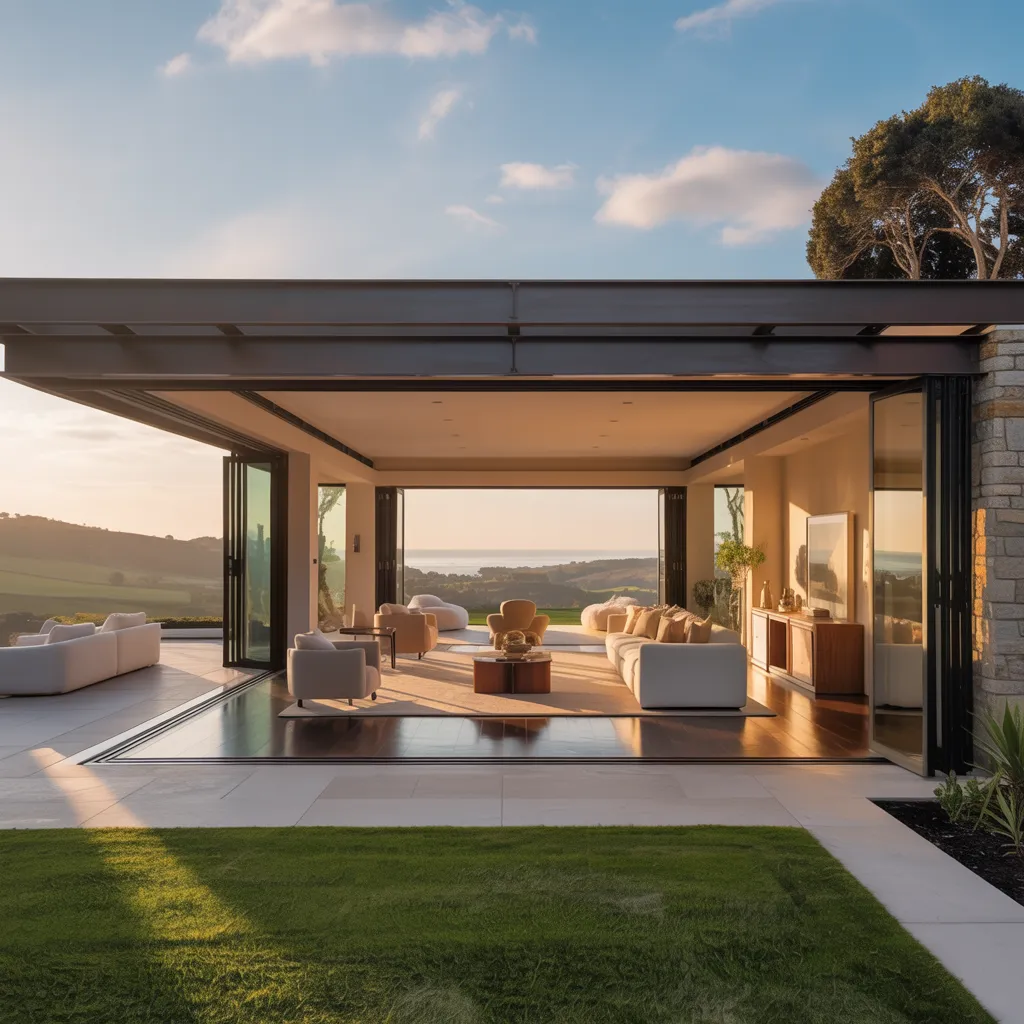
Introduction of Bifold Doors
Bifold doors, marked by their innovative folding design, deliver a versatile solution for moving between indoor and outdoor spaces. This design enables multiple panels to fold neatly to one side, creating an expansive opening that boosts ventilation and sunlight. Commonly constructed from materials such as uPVC, wood, or aluminum, bifold doors come in numerous styles and finishes, making them suitable for diverse architectural aesthetics. Their space-saving characteristics make them ideal for compact spaces, where traditional doors might hinder movement. Moreover, bifold doors provide seamless connections to patios or gardens, promoting a sense of connection with nature. Their energy efficiency and security features further increase their appeal, making them a popular choice for modern homes seeking both functionality and elegance.

Overview of Sliding Doors
Sliding doors deliver exceptional spatial efficiency gains by needing limited space to function compared to conventional door designs. They come in various aesthetic options, allowing homeowners to customize their look to harmonize with any residential aesthetic. Moreover, sliding doors enhance ease of use and practicality, making them a practical choice for both routine activities and social gatherings.
Benefits of Space Efficiency
When evaluating space efficiency, sliding doors provide considerable advantages in both residential and commercial settings. In contrast to bifold doors, which need additional space to swing open, sliding doors operate on a track, letting them to glide horizontally without encroaching on the surrounding area. This design reduces the required clearance, making them excellent for smaller rooms or tight spaces. In addition, sliding doors can be mounted in various configurations, enabling wide openings without compromising floor space. This versatility facilitates seamless movements between indoor and outdoor environments, increasing usability. On the whole, the space-saving characteristics of sliding doors make them a sensible choice for maximizing usable areas while maintaining functionality and flow within a space.
Aesthetic Appeal Options
Sliding doors have gained tremendous popularity among homeowners and designers due to their aesthetic appeal. They provide a contemporary, streamlined appearance that elevates the visual character of any room. Available in multiple materials including wood, aluminum, and glass, these doors can be tailored to complement various architectural designs and individual preferences. The broad glass surfaces offer unimpeded outdoor vistas, enabling sunlight to permeate indoor environments and generating a feeling of spaciousness. In addition, attractive frame designs and finishes can complement their look, positioning them as a suitable choice for contemporary as well as traditional spaces. In summary, sliding doors can act as a captivating design element in home settings.
Accessibility and Performance
While prioritizing ease of movement, sliding doors provide a pragmatic solution for both residential and commercial spaces. These doors function on a track system, allowing them to glide open and closed without requiring additional space for swing. This feature makes them especially advantageous in compact areas, improving accessibility for individuals with mobility challenges. Sliding doors can be engineered to accommodate wider openings, delivering seamless shifts between indoor and outdoor environments. Moreover, they often include large glass panels that allow for natural light, contributing to a more open atmosphere. Their functionality encompasses various styles, including pocket doors that disappear into the wall, further optimizing usable space. In summary, sliding doors combine accessibility with efficiency, making them a popular choice for modern design.
Space Efficiency and Functionality
When comparing bifold doors to sliding doors, what about space efficiency and functionality? Bifold doors stand out for their ability to maximize space, as they fold neatly to one side, producing an expansive passage. This feature is especially useful in confined areas where full access is needed. Conversely, sliding doors function by sliding along a track, which could limit the width of the opening but maintains a continuous line of sight when closed. Concerning functionality, bifold doors supply versatility, allowing for partial openings, while sliding doors present an discreet solution that conserves space in front of the door. Finally, the choice between the two depends on the specific requirements of the space, balancing accessibility with the desired flow of movement.
Aesthetic Attraction and Design Alternatives
What door style enhances the overall aesthetic of a space more effectively: bifold or sliding doors? Bifold doors deliver a modern, elegant look, creating a seamless connection between indoor and outdoor areas. Their capacity to fold completely away delivers an expansive view, promoting an open feel. The design can be tailored with different materials and finishes, permitting for integration with different architectural styles.
Conversely, sliding doors provide a sleek, minimalist appearance. They function along a track, conserving floor space while keeping visual continuity. Offered in large panels, sliding doors often feature extensive glass, enhancing views and adding to a modern aesthetic. Ultimately, the option between bifold and sliding doors relies on personal preference and the desired influence on a space's ambiance.
Natural Illumination and Airflow
The decision between bifold and sliding doors additionally affects natural light and ventilation within a space. Bifold doors typically are made up of multiple panels that open fully, enabling expansive openings. This design maximizes natural light and promotes airflow, enhancing the indoor-outdoor connection. When fully opened, bifold doors can create a seamless shift between spaces, making them ideal for areas that benefit from ample sunlight and cross-ventilation.
On the other hand, sliding doors feature a more compact design, with panels that slide past one another. While they can still deliver considerable natural light, they do not offer the same level of airflow as bifold doors when opened. Therefore, the choice between the two resource can considerably influence the overall brightness and ventilation in a given area.
Setup and Upkeep Requirements
Installation and maintenance aspects are important when selecting between bifold and sliding doors. Bifold doors often require more complex installation due to their elaborate track systems and the requirement for meticulous alignment. This can result in increased installation times and may demand professional assistance. In contrast, sliding doors are usually more straightforward to install, often accommodating existing frames without significant modifications.
In terms of maintenance, bifold doors may demand more attention because their hinges and tracks tend to collect dirt and debris, demanding regular cleaning. Sliding doors, while commonly less demanding, still need periodic inspections to provide smooth operation. Understanding these installation and maintenance aspects is crucial for homeowners when making an informed decision related to their door choice.
Cost Comparison and Value
Cost represents a major consideration when comparing bifold doors and sliding doors, with various aspects influencing overall value. Bifold doors often carry a higher initial price due to their intricate construction and installation requirements. However, they typically present a larger opening and elevated cosmetic value, which can warrant the cost for homeowners seeking a modern look. In contrast, sliding doors usually come with a lower upfront cost and simpler setup, making them an attractive option for budget-conscious buyers. Long-term value should also be considered; bifold doors can boost energy efficiency and boost property worth over time. Ultimately, the choice between bifold and sliding doors should reflect unique requirements, budget constraints, and the desired impact on house design and functionality.
Common Questions
Can Bifold Doors Be Used in Small Spaces?
Small spaces can definitely benefit from bifold doors, as they fold neatly against the wall when opened, optimizing available floor space. Their compact design facilitates flexible room configurations and increases natural light without affecting practical use.
Do Sliding Doors Provide More Security Than Bifold Doors?
When comparing security, sliding doors generally outperform bifold doors, as they often feature more robust locking mechanisms and solid frames. Nevertheless, the security ultimately depends on the build quality and proper fitting of each door type.
What Materials Are Most Often Used for Bifold and Sliding Doors?
Standard materials for bifold and sliding doors include vinyl, wood, aluminum, and fiberglass. Each material provides varied aesthetic characteristics, durability, and maintenance demands, permitting homeowners to decide based on their particular needs and preferences.
How Should I Select Between Bifold and Sliding Doors?
To select between bifold and sliding doors, it's important to consider available space, desired aesthetic, operational convenience, and the intended role of the opening. Considering these considerations will direct the decision successfully.
Can I Do a DIY Installation of Bifold or Sliding Doors?
Individuals can indeed install bifold or sliding doors on their own, assuming they have fundamental carpentry abilities and the necessary tools. That said, hiring professionals may provide better results and functionality, especially for those who lack experience with similar projects.